Badi Malika Temple
Location
Badi Malika Temple
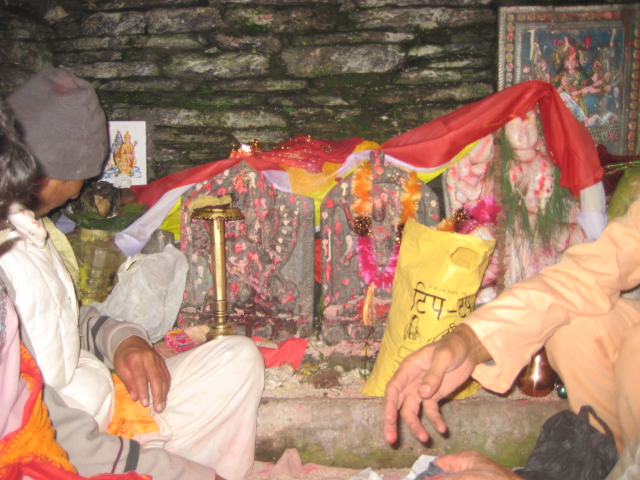
Located at an altitude of about 4,220 meters above sea level in Bajura district, Badi Malika Temple is a major Shakti Peetha of the Far West.
Historical and Mythological Background
According to mythology, while Lord Shiva was wandering carrying the dead body of Sati Devi, her left shoulder is believed to have fallen here. Therefore, it is considered the origin of Malika Devi and a powerful Shakti Peetha. In ancient times, this region was called 'Mallagiri' mountain.
According to local folklore, when King Dipraj of the Chhatyal dynasty went hunting on Mallagiri mountain, the Goddess appeared to him and commanded him to build a temple there and not to kill. Later, there is a history that Jumli Maharaj and King Dipraj together established the temple here.
22 Patans and Natural Beauty
The biggest attraction of Badi Malika is its '22 Patans' (vast meadows). These fields are covered with greenery and colorful flowers throughout the year. A panoramic view of Api and Saipal mountains can be seen from here. This area is also called 'Heaven on Earth'.
Interesting Sites and Legends
- Khetibeti: There is a place here where stone formations look like rice-planted fields. According to legend, when there was a war between Bhagwati and Mahishasura, the demons fled leaving the rice they were planting, which still remains in the form of stones.
- Triveni Dham: Before reaching the temple, there is 'Triveni', a confluence of three rivers, where devotees proceed towards the temple only after taking a bath.
Priest and Worship Tradition
Two priests are traditionally appointed here—one from Kalikot and another from Bajura. This shows the religious connection between the two districts. A large fair is held here on the occasion of Janai Purnima and Ganga Dashahara. There is still an ancient tradition of government teams from Doti, Jumla, Achham, Bajura, and Kalikot performing special government pujas here.
Travel Guide: How to Reach
- By Air: Fly from Kathmandu to Dhangadhi or Nepalgunj (1 hour). From there, one can take a local flight to Kolti Airport in Bajura, though these are infrequent. Helicopter charters from Dhangadhi or Nepalgunj are a popular option for those who cannot trek.
- By Road: From Dhangadhi or Nepalgunj, drive to Martadi, the district headquarters of Bajura (approx. 12-15 hours).
- Trekking Route: The real journey begins from Martadi. It is a challenging 2 to 3-day trek through rugged terrain, dense forests, and beautiful alpine meadows like Triveni Patan.
Best Time to Visit
- Seasons: Autumn (September to November) offers the clearest views of the Api and Saipal mountains. Spring (March to May) is ideal for seeing blooming rhododendrons.
- Festivals: The most popular time for pilgrims is during the Janai Purnima festival (Malika Chaturdashi) in August, when thousands gather and the meadows are lush green with wildflowers.
- Warning: The temple is generally inaccessible during winter (December to February) due to heavy snowfall.
Visitor Information & Tips
- Timings: Rituals are typically performed in the early morning. There are no strict opening hours, but trekking should be timed for daylight.
- Facilities: This is a very remote area with almost no permanent lodges or restaurants along the trekking route. Visitors MUST carry their own camping gear, food, water, and medical supplies.
- Physical Fitness: This is a high-altitude trek (over 4,000m) and requires good physical fitness and acclimatization to avoid altitude sickness. It is highly recommended to travel with a local guide.