Bageshwori Temple
Location
Bageshwori Temple
Located in Nepalgunj, Banke district, Bageshwori Temple is a famous Shakti Peetha of the Far and Mid-Western regions. It is a common center of faith for devotees from Nepal and India.
Mythological Background and Naming
According to mythological beliefs, while Lord Shiva was carrying Sati Devi's dead body, her tongue fell here. Because the tongue fell, it was initially called 'Vakyeshwari' (Goddess of Speech). Later, this word became corrupted into 'Bageshwori'. According to popular belief, the name of 'Banke' district is also derived from 'Bankekhari', an old name for this temple.
Mahadev with a Mustache (Junge Mahadev)
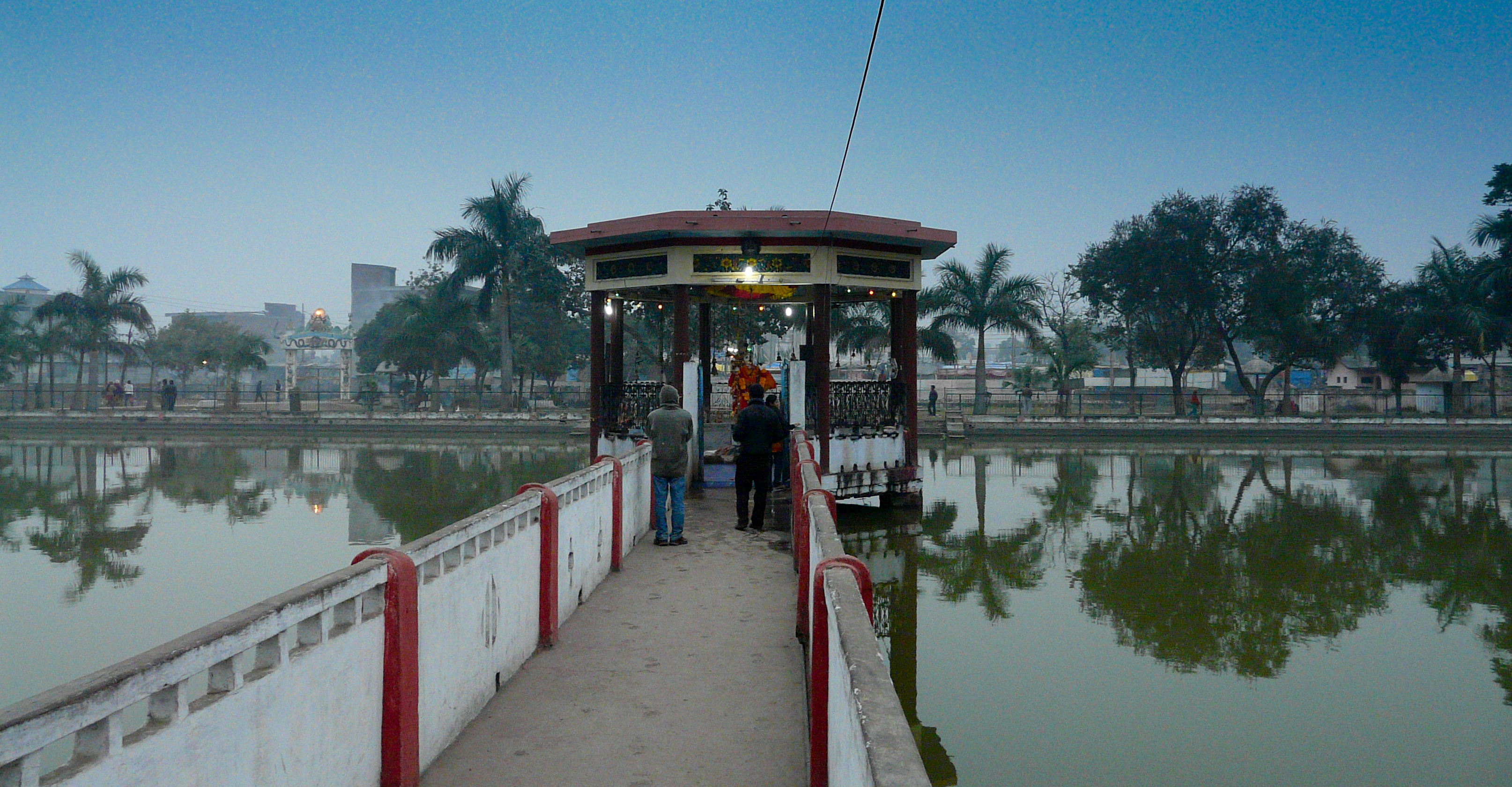
In the middle of the Siddha Pokhari located in the temple complex, there is a temple of Mahadev with a mustache. Generally, statues of Lord Shiva do not have a mustache, but here a grand statue of Mahadev with a mustache can be seen. Such a statue is considered rare in the world. It was constructed by the then Commanding General Prakash Shamsher Jang Bahadur Rana.
History and Living Samadhi
The establishment of Bageshwori Temple is believed to have been done around the 14th century by a Siddha Yogi (Siddhanath Baba) of the Nath sect who came from Jumla. When there was a problem of the temple collapsing repeatedly during construction, a Siddha Yogi took 'Living Samadhi' (Jeevit Samadhi) there according to the command of the Goddess. The Samadhi of that Guru can still be seen near the Pipal tree on the east side of the temple. The current priests are descendants of the disciples of that Yogi (Yogis of the Nath sect).
Traditions and Festivals
- Tongue Piercing Tradition: In the past, devotees used to worship by piercing their tongues or offering their blood to fulfill their wishes, which has now decreased significantly.
- Sacrifice and Fair: A large fair is held here during Ashtami and Navami of Bada Dashain, and hundreds of animal sacrifices are offered.
- Monday Arati: Recently, a large number of devotees participate in a special Arati held on the banks of the pond every Monday evening.
Travel Guide: How to Reach
- By Air: Nepalgunj Airport is well-connected with daily flights from Kathmandu (50-60 minutes). The temple is about 3–5 km from the airport and can be reached by taxi or auto-rickshaw.
- By Road: Nepalgunj is a major transportation hub accessible via the East-West Highway from cities like Kathmandu and Butwal.
- From India: The temple is very close to the Rupaidiha border (Uttar Pradesh, India). Indian pilgrims can cross the border and reach the temple via a short rickshaw ride.
Best Time to Visit
- Seasons: September to February (Autumn and Winter) is the most pleasant time, as Nepalgunj can be extremely hot from April to June.
- Festivals: Dashain (Navaratri) is the most significant festival, attracting huge crowds. Maha Shivaratri, Teej, and Magh Shukla Purnima are also major occasions.
Visitor Information & Tips
- Timings: The temple is generally open for devotees from 5:00 AM to 8:00 PM.
- Highlights: Be sure to visit the "Junge Mahadev" statue in the center of the pond and the Samadhi of the Siddha Yogi near the Pipal tree.
- Local Tips: Visitors must remove their shoes before entering the main temple complex. Modest dress is recommended. It is a popular spiritual stopover for pilgrims heading to Kailash Mansarovar.