Jaljala
Location
Jaljala
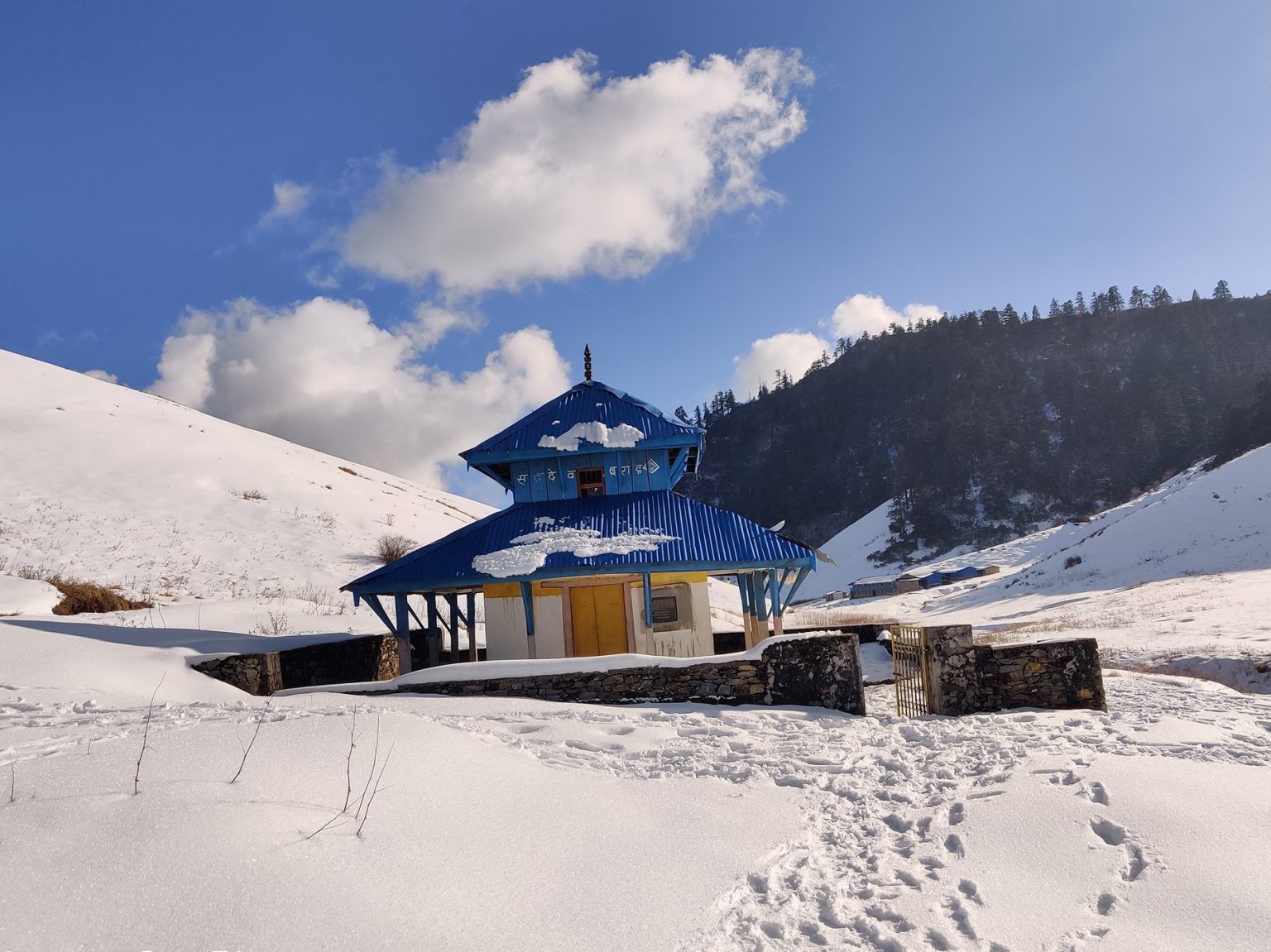
Jaljala, located in Rolpa district, is a unique confluence of natural beauty, religious faith, and Magar culture. Located at an altitude of about 3,193 meters above sea level, this place is a symbol of the historical and cultural identity of Rolpa.
Introduction and Meaning of Name
The name 'Jaljala' is due to the special structure of the ground here:
- Swampy Ground: The ground here is swampy like a sponge, where the ground shakes when stepped on and water seeps in with a 'jaljal' sound. Because of this feature, it is called Jaljala.
- Local Name: In the Kham Magar language, it is called 'Gama', which means 'meadow of the high hills'.
Religious History and Baraha Temple
There are various temples of Baraha in the Jaljala area, of which Kailash Baraha, Bajyu Baraha, and Sahadev Baraha are prominent.
- Origin Story: According to local popular belief, 12 brother Baraha and 22 sister Bajyu are believed to have originated from the Bhama Cave of Jaljala. It is believed that after originating from here, they spread to various places in Nepal.
- Wishes: There is a popular belief that children are obtained and wishes are fulfilled by worshiping here. There is a custom of calling the son born from blessings here 'Barman'.
Magar Culture and Priest Tradition
This area is mainly the cultural center of the Kham Magars:
- Priest: In the temple here, traditionally, Roka Magars and Jhankri Magars serve as priests. Jhankri Magars serve as priests in the Jhankri Than and Roka Magars in others.
- Sacrifice Practice: There is a special tradition of offering sheep and rooster sacrifices when worshiping here, especially hundreds of sacrifices are offered during the Janai Purnima fair.
Fair and Tourist Importance
Special fairs are held three times a year in Jaljala— Baisakh Purnima, Jestha Purnima, and Janai Purnima. Janai Purnima is the largest fair here. Mountain ranges like Sisne, Putha, Dhaulagiri, and Annapurna are clearly visible from here. Also, in modern history, this area is known as a strategic fortress of the Maoist People's War and a symbol of bravery.
Travel Guide: How to Reach
- By Road: The journey typically begins from Kathmandu to Libang (the district headquarters) or Sulichaur, which takes about 10–12 hours. From Sulichaur, a local jeep can take you to Thabang village (approx. 6 hours), which serves as the primary gateway.
- By Trek: From Thabang, it is a steep but scenic 4 to 7-hour trek to reach the Jaljala plateau.
- By Air: Fly from Kathmandu to Bhairahawa or Nepalgunj, then drive to Sulichaur/Libang to follow the road and trek route.
Best Time to Visit
- Spring (March to May): The best time for nature lovers as over 14 species of rhododendrons and various wildflowers bloom, covering the hills in a colorful carpet.
- Autumn (September to November): Ideal for clear skies and the best panoramic views of the Himalayan peaks.
- Festivals: Visit during the full moon days of Baisakh, Jestha, or Shrawan to witness the grand religious fairs.
Visitor Information & Tips
- Accommodation: Facilities are basic. It is recommended to stay in local homestays in Thabang or Libang. For those staying overnight on the plateau, camping is necessary as there are few permanent structures.
- Preparation: The trek is of moderate difficulty. Ensure you are physically fit for steep climbs and carry essential trekking gear.
- Culture: The area is a heartland of Magar culture. Respect local traditions, especially during festivals where animal sacrifices are common.
- Permits: If you are following the "Guerilla Trek" route through the Dhorpatan Hunting Reserve, ensure you have the required entry permits.