Jaleshwor Mahadev
Mahottari70mEasy road access in the Terai; steep steps to reach submerged lingamLord Shiva (Jaleshwor Mahadev)
Location
Jaleshwor Mahadev
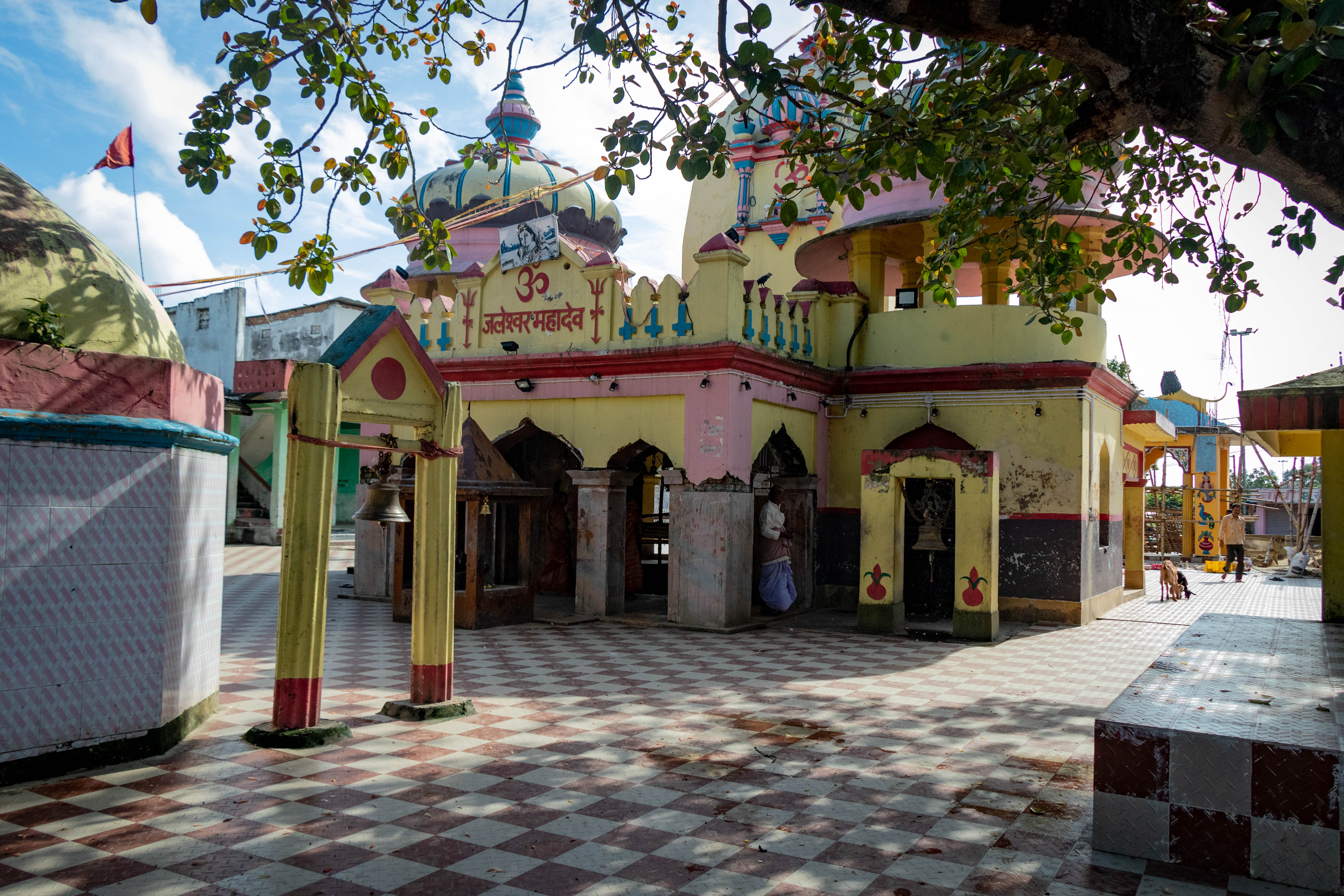
Jaleshwor Mahadev Temple, located in Jaleshwor, the headquarters of Mahottari district, is an extremely ancient and important religious site in Nepal. 'Jaleshwor' means 'the God who resides in water'. This temple is deeply connected with the Treta Yuga Mithila civilization and the Ramayana period.
History and Legend
- Ramayana Period: According to mythological belief, the sacred soil required to build the altar (vedi) during the marriage of Lord Ram and Mother Sita was taken from this Jaleshwor area. The Shivalinga here is considered self-manifested (Swayambhu).
- Prediction of Baba Jagadish: About 250 years ago, a Sanyasi named Baba Jagadish meditated here. He had predicted that the ground would split and an amazing Shivalinga would emerge from there, which later proved to be true.
- Royal Protection: In 1869 BS (1812 AD), King Girvan Yuddha Bikram Shah provided 275 Bighas of land as Guthi for the worship and management of this temple.
Unique Structure and Worship Method
The architecture of the temple is based on the dome style:
- Submerged Shivalinga: The main Shivalinga of the temple is located in a pool of water about 20 feet below the ground level. Devotees descend 16 steps to reach the pool.
- Shivaratri Special: The Shivalinga, which remains under water throughout the year, is allowed to be touched and worshipped by devotees only on the day of Mahashivaratri after taking out the water from the pool. Surprisingly, the pool is refilled with water within a few minutes of drying it.
Four Historical Ponds
There are four special ponds around the temple, which have separate religious significance:
- Varun Sar: The pond used to pick lotus flowers for the worship of Mahadev.
- Purand Sar (Goddhoyi): For washing hands and feet before entering the temple.
- Purni Sar: The pond where 'Makhana' is produced to be offered as Bhog to Mahadev.
- Mahanth Pokhari: For the use of the temple's priest (Mahanth).
Religious Importance
This temple also falls under the Panchakoshi Parikrama of Janakpur. On every Monday of the month of Shrawan, devotees offer water here chanting 'Bol Bam'. Large fairs are held here on Shivaratri, Basant Panchami, and Balachaturdashi.
Travel Guide: How to Reach
- By Air: Fly from Kathmandu to Janakpur Airport (approx. 25 mins). From Janakpur, it is an 18-20 km (30-50 mins) drive by local bus, taxi, or rickshaw to Jaleshwar.
- By Road: It is about 240 km from Kathmandu via the BP Highway or East-West Highway.
- From India: The temple is very close to the Bhitthamore border (Bihar), easily accessible from Sitamarhi or Madhubani.
Best Time to Visit
- Seasons: October to March is best to avoid the extreme Terai heat.
- Festivals:
- Maha Shivaratri (Feb/Mar): The most significant time; the water is pumped out so devotees can directly touch and worship the submerged Lingam.
- Vasant Panchami & Shrawan: Peak pilgrimage times with vibrant local fairs.
Visitor Information & Tips
- Unique Feature: Observe the square Shiva Lingam situated 20 feet below the courtyard level, remaining submerged in water year-round.
- Accessibility: The courtyard is flat and easily accessible. However, the descent to the Lingam involves 16 narrow, steep, and slippery stone steps.
- Safety: Use extreme caution on the wet steps leading to the sanctum.
- Dress Code: Modest and traditional clothing is recommended.
- Panchakoshi Parikrama: Many visitors include this temple as part of the Janakpur pilgrimage circuit.