Kusheshwor Mahadev
SindhuliLord Shiva (Kusheshwor Mahadev)
Location
Kusheshwor Mahadev
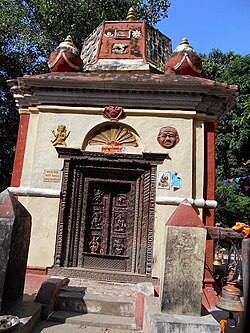
Kusheshwor Mahadev Temple is located at the sacred confluence of the Sunkoshi and Roshi (Lilavati) rivers in Dumja of Sindhuli district. This is an ancient and historical temple, also known as 'Durga Tirtha'.
History and Mythological Background
- Adilinga: According to the Himavatkhanda of the Skanda Purana, Lord Brahma established this Linga first of all at the beginning of creation. Therefore, it is considered the 'Adilinga' (the first among the 64 Jyotirlingas). Rudragareshwor of Pashupatinath is considered the 64th Linga.
- Naming: It was named 'Kusheshwor' because Sage Kushik performed rigorous penance here in mythological times.
- Historical Connection: There is an inscription that King Jagajjaya Malla of Bhaktapur received the kingdom by being a devotee of Kusheshwor and arranged a Guthi here in 891 BS.
Architecture and Location
The structure of the temple is traditional and inside the main temple, there is a Shivalinga in the form of a stone rising about one and a half feet from the ground. Ancient stone idols of Narayan, Bhagwati, Surya, and Ganesh are present in the temple complex. This temple is also famous for its geographical feature of never being submerged even in the largest floods.
Jatra and Tradition
- Bala Chaturdashi: The largest fair here is held on Bala Chaturdashi. Devotees offer lamps (deepdan) all night and scatter Shatbij (seven types of seeds) in the morning in memory of their ancestors.
- Ancestral Deity: The Newar community of Kathmandu Valley (especially Dangols and Maharjans) worships Kusheshwor Mahadev as their ancestral deity (Kuldevata).
- Special Festivals: A large fair is held here on Mahashivaratri, Mondays of Shrawan, and Makar Sankranti. There is a popular belief that skin diseases are cured by bathing and visiting here.
Travel Guide: How to Reach
- By Private Vehicle: The temple is about 65–84 km from Kathmandu, and the drive takes approximately 2.5 to 3 hours via the BP Highway.
- By Public Transport: Take any bus or microbus heading toward Sindhuli, Khurkot, or Bardibas from the Koteshwor bus stand in Kathmandu. Ask to be dropped at Dumja or Nepalthok.
- From Dhulikhel: The temple is about 50 km from Dhulikhel, making it an ideal stop for those traveling to eastern Nepal.
Best Time to Visit
- Autumn (September to November) & Spring (March to May): These seasons provide the best weather and scenic views of the river confluence and the BP Highway.
- Maha Shivaratri: The biggest festival at the temple, featuring massive crowds and spiritual vigils.
- Bala Chaturdashi & Makar Sankranti: Popular times for holy baths and religious fairs.
Visitor Information & Tips
- Holy Bath: It is traditional to take a ritual bath at the Durga-Tirtha (the confluence of Roshi and Sunkoshi rivers) before entering the temple. Carry a change of clothes if you plan to do so.
- Nearby Cave: Visit the nearby Bishwamitra Cave, where the sage Bishwamitra is said to have meditated.
- Footwear: Remove your shoes before entering the main shrine area as per local customs.
- Safety: Be cautious near the riverbanks, especially during the monsoon season (June to August) when water levels can rise rapidly.
- Local Food: Several small eateries along the BP Highway in Dumja and Nepalthok offer local snacks and tea.