Manakamana Temple (Sankhuwasabha)
Location
Manakamana Temple (Sankhuwasabha)
This Manakamana Temple is located on the banks of the Arun River near Tumlingtar in Sankhuwasabha district. Like the Manakamana of Gorkha, devotees come here to worship with the belief that their wishes will be fulfilled. This temple is an important religious and historical site of this region. Located in a naturally beautiful place, fairs are held in this temple especially during Thulo Ekadashi and other festivals.
History and Legend
This temple in Sankhuwasabha is known as the 'Manakamana of the East'. An interesting legend is prevalent about its establishment. In ancient times, Kumals (potters) making clay pots lived in the Tumlingtar area. After an elderly Kumal's cow went missing, he saw the Goddess in a dream. The Goddess said "I am in the form of a stone on the banks of the Arun River", and it is believed that the idol was found there and worship was started. Some also consider it as the power of the famous Manakamana Temple of Gorkha.
Architecture
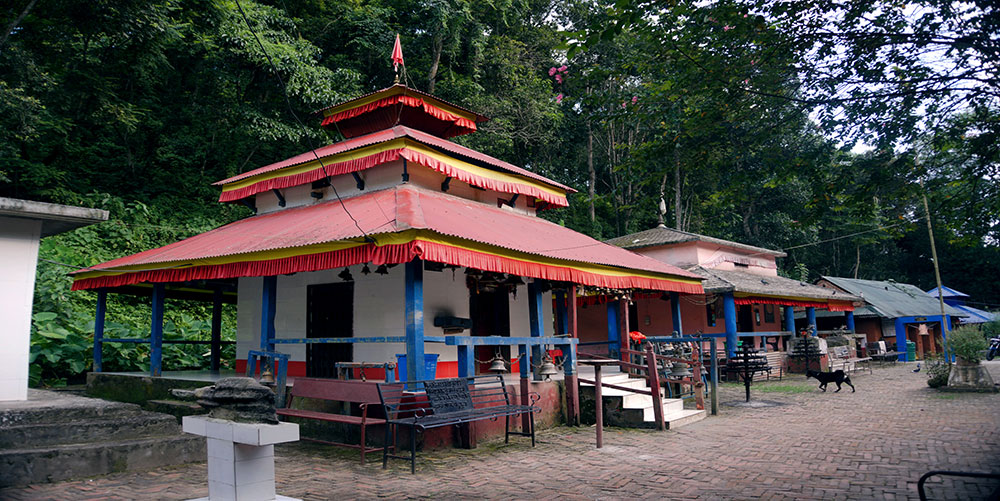
This temple is built in the traditional Nepali pagoda style. Attractive use of stone and wood has been made in the main part of the temple. In the inner sanctum of the temple is the sacred stone of Manakamana Devi. Since it is located on the banks of the Arun River, its design and natural location look very attractive.
Religious Importance and Customs
There is a popular belief that wishes are fulfilled when praying with a true heart here. Daily worship is performed in the temple by Brahmin priests using both tantric and Vedic methods. There is also an 'Old Age Home' in the temple complex, where many elderly people spend their last days in the service and prayer of the Goddess.
Major Fair and Festival
- Kartik Fair: A large fair is held here every year on Kartik Shukla Ekadashi (Haribodhini Ekadashi). During this time, thousands of devotees come to the Arun River for a bath and to visit the Goddess.
- Bada Dashain and Chaite Dashain: Special sacrifices and worship are performed here during the time of Dashain. During the time of the fair, dances and cultural programs reflecting local folk culture are also organized.
Travel Guide: How to Reach
- By Air: The fastest way is to fly from Kathmandu to Tumlingtar Airport (approx. 35 minutes). The temple is about 5 km from the airport and can be reached in 10-15 minutes by taxi or local vehicle.
- By Road: Direct buses are available from Kathmandu to Khandbari or Tumlingtar (approx. 14-16 hours). Regular buses and jeeps also run from Dharan and Biratnagar.
- Local Transport: Local jeeps and rickshaws are easily available from Tumlingtar bazaar and Khandbari to reach the temple site.
Best Time to Visit
- Autumn (October - November): The most popular time, especially for the Thuli Ekadashi festival. The weather is clear and the Arun Valley views are excellent.
- Spring (March - May): Ideal for pleasant weather and clear Himalayan views.
- Winter (December - February): Good for a peaceful visit, though mornings can be foggy.
Visitor Information & Tips
- Accommodation: It is best to stay in Tumlingtar or Khandbari, where there are several hotels and lodges. Facilities near the temple itself are basic.
- Respect Local Customs: Dress modestly and remove your shoes before entering the temple sanctum.
- Combine Visits: Consider visiting the nearby Siddhakali Temple in Khandbari during your trip.
- Nature and Serenity: Since the temple is on the banks of the Arun River, it is a great spot for peaceful reflection and bird watching.
- Support Local: The area is known for its oranges; if you visit in winter, be sure to try the local citrus.