Tal Barahi
Location
Tal Barahi Temple
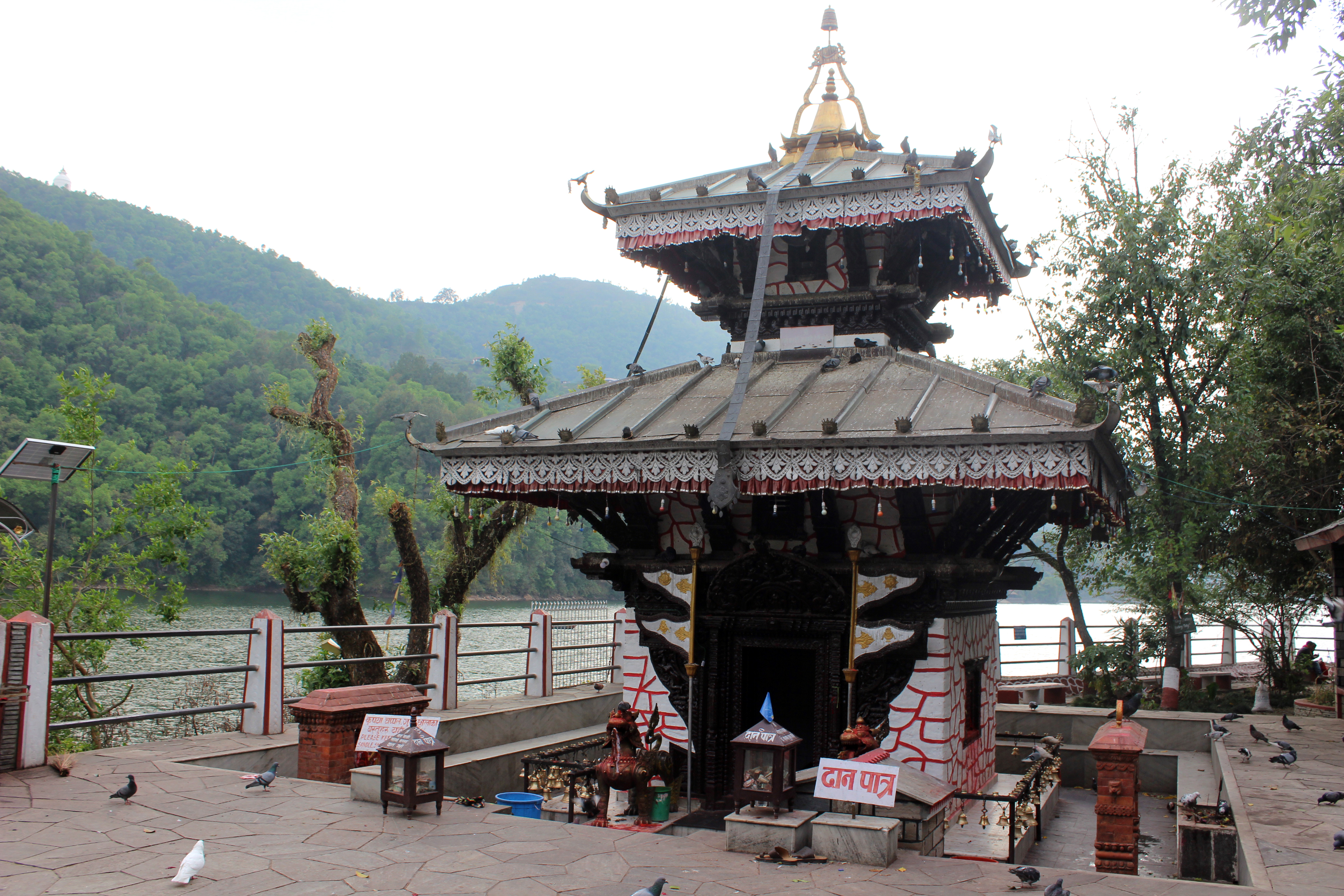
Located on a small island in the middle of the famous Phewa Lake in Pokhara, Tal Barahi Temple is a major religious and tourist attraction of Nepal. This temple is dedicated to the 'Barahi' (with the face of a boar) incarnation of Goddess Durga, who is considered a symbol of power.
History and Construction
The existence of Tal Barahi Temple is believed to have been since ancient times. Although it has been discussed since 1447 BS according to some records, historically the King of Kaski Kulmandan Shah first established the temple by putting up a thatched hut here after seeing the Goddess in a dream. The modern pagoda-style structure we see now was built by King Mahendra in 2017 BS.
Mythological Legend
There is a very popular folk tale about the origin of Tal Barahi Temple. In ancient times, there used to be a large and prosperous settlement in the place where Phewa Lake is now. One day, Goddess Bhagwati came there in the guise of an old beggar woman seeking shelter, but no one gave her shelter. Finally, a poor old couple living in a corner of the village gave her shelter respectfully and fed her bread made of bran (dhuto). The next morning, the Goddess warned the couple of a flood and told them to go to a safe place. After they left for the hills, the whole village was submerged and became Phewa Lake. Only the place where the old couple's house was remained as an island, where the temple of the Goddess was established later.
Architecture
This temple is two-story in the traditional Nepali pagoda style. Stone, brick, and wood have been used in the construction of the temple, while there is an attractive pinnacle (gajur) with gold plating on the head. This is the only such temple in Nepal which is entirely located in the middle of a lake, where the use of a boat is mandatory to reach.
Pilgrimage and Tourism
A large crowd of devotees gathers here especially on Saturdays, Dashain, and other festivals. The shadow of Mt. Machhapuchhre in the clear water of Phewa Lake and this temple in its middle has added more religious and cultural dignity to the natural beauty of Pokhara.