Barahkshetra
Location
Barahkshetra
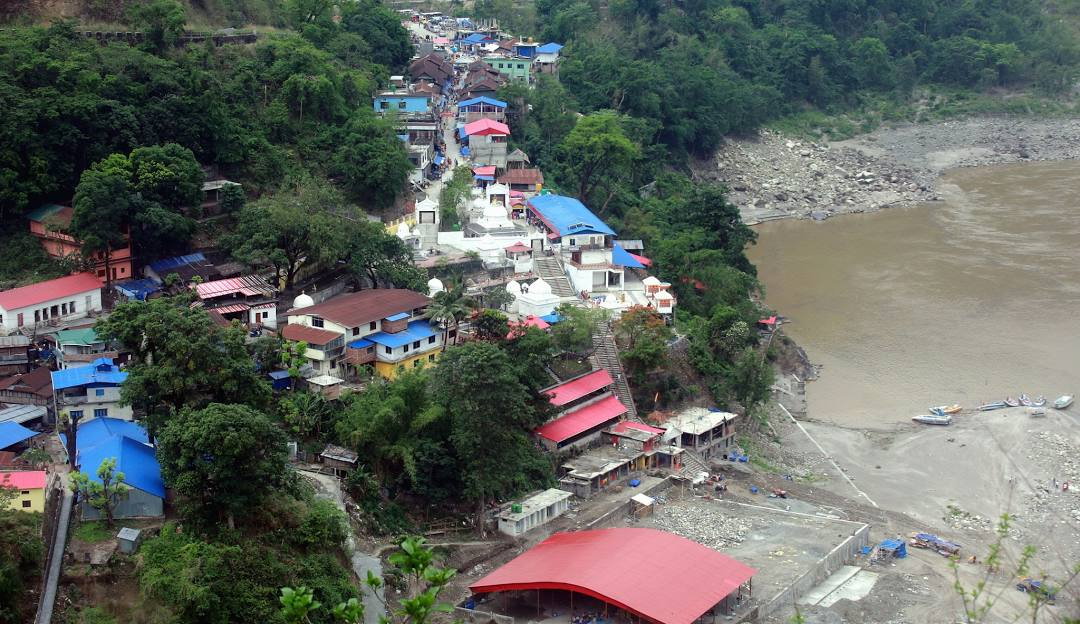
Located at the confluence of the Koshi and Koka rivers in Sunsari district, Barahkshetra is one of the most ancient and sacred pilgrimage sites in Nepal. It is considered one of the four major regions of Hinduism.
Mythological Story: Varaha Avatar
According to Hindu scriptures, in the Satya Yuga, a demon named Hiranyaksha stole the Earth and hid it in Patala (the depths of the ocean). To protect and rescue the Earth, Lord Vishnu took the form of Varaha (boar). A fierce battle took place between Lord Varaha and Hiranyaksha, in which the Lord killed the demon and brought the Earth out by holding her on his tusks. After rescuing the Earth, it is believed that Lord Vishnu rested at this place in his Varaha form and stayed here with Lakshmi Ji.
History and Architecture
- Antiquity: The mention of Barahkshetra is found in ancient texts like Mahabharata, Varaha Purana, and Skanda Purana. In archaeological excavations, idols older than 1500 years have been found here, confirming its antiquity.
- Reconstruction: After the great earthquake of 1990 BS destroyed the old temple, the then Prime Minister Juddha Shamsher built the current temple in 1991 BS.
- Temple Complex: Besides the main Varaha temple, there are 9 smaller temples such as Suryavaraha, Kokavaraha, Indravaraha, and Nageshwar, and various rest houses (dharmashalas).
Kumbha Mela and Chatara Dham
Chatara Dham, located near Barahkshetra, is considered 'Nepal's Haridwar'. A Mahakumbha fair is held here every 12 years and an Ardhakumbha fair every 6 years. Chatara Dham (Pindeshwar region) is also considered one of the 5 places in the world where drops of nectar (Amrit) fell during the churning of the ocean (Samudra Manthan), which has increased the religious dignity of this region.
Main Festivals and Pilgrimage
A huge fair is held here on Kartik Purnima and Maghe Sankranti. People from the hilly regions come especially during Maghe Sankranti, and devotees from the Terai and India come during Kartik Purnima. It is believed that salvation (moksha) is achieved by taking a holy bath in the Koshi River and worshiping.
Travel Guide: How to Reach
- By Air: The fastest way is to fly from Kathmandu to Biratnagar Airport (45 minutes). From Biratnagar, it is approximately a 2-hour drive (about 70 km) to the temple.
- By Road: Barahkshetra is about 362 km from Kathmandu. Regular buses and private vehicles are available to the nearby hubs of Dharan or Chatara (8–10 hours).
- Local Access: The temple is situated about 20 km northwest of Dharan. Paved roads connect Chatara and Dharan to the temple area. Local buses, taxis, and auto-rickshaws are frequently available from these towns.
Best Time to Visit
- Seasons: The months from October to March offer the most pleasant weather for travel and river activities.
- Festivals: Huge religious fairs are held during Kartik Purnima (October/November) and Makar Sankranti (January). The Mahakumbha Mela is organized every 12 years at Chatara Dham, attracting millions of devotees.
Visitor Information & Tips
- Timings: The temple is generally open for devotees from 5:00 AM to 6:00 PM.
- Rituals: Taking a holy bath at the confluence of the Koshi and Koka rivers before worshiping is a common tradition.
- Facilities: There are several dharmashalas (rest houses) and small lodges nearby. Basic food stalls and shops for ritual items are available around the temple complex.
- Local Tips: The temple area involves some walking and stone steps, but it is generally manageable. Electric rickshaws are available for short-distance travel within the Chatara area.