Dolakha Bhimsen
Location
Dolakha Bhimsen
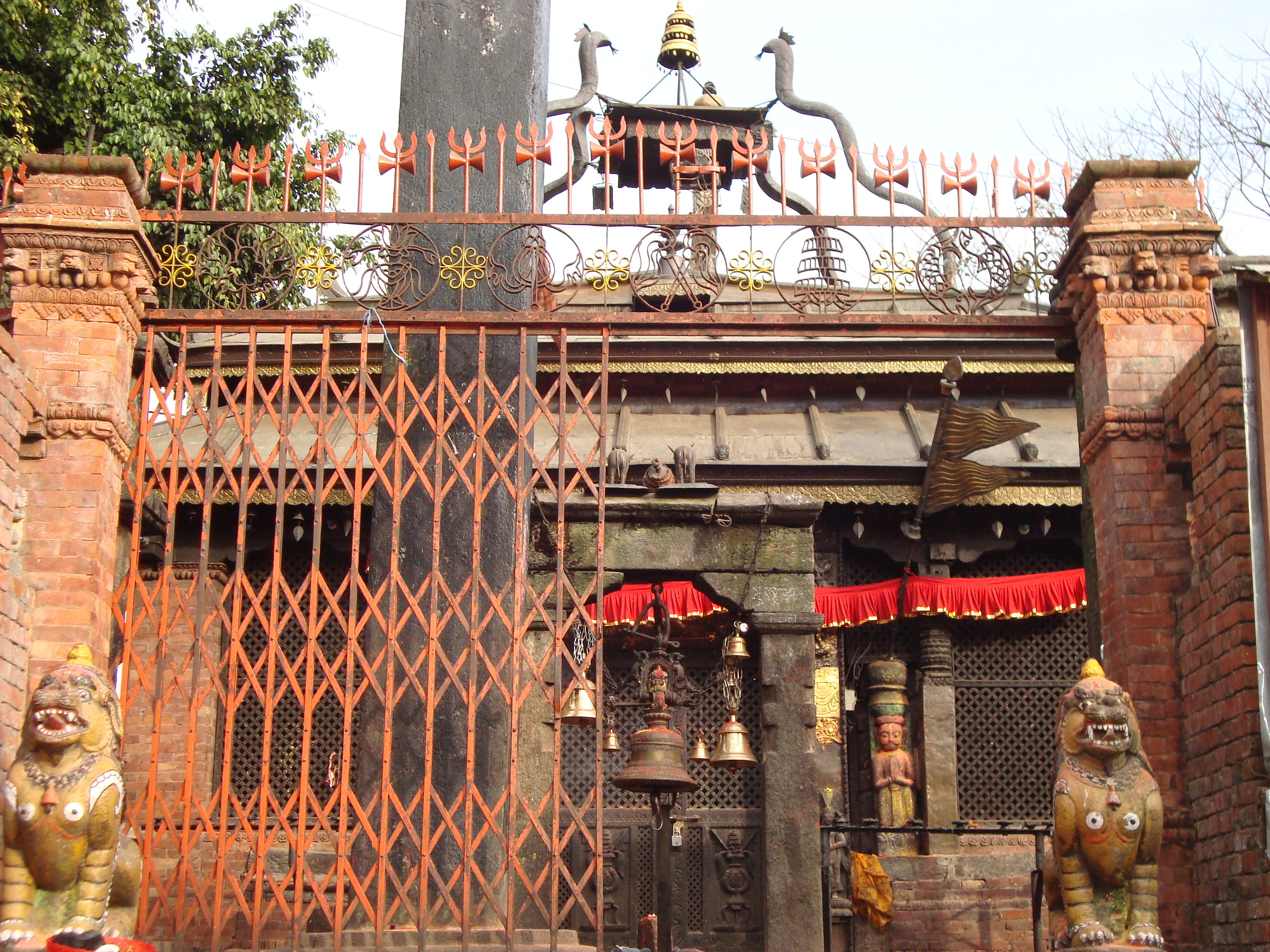
Bhimeshwor Temple, located in the historical town of Dolakha district, also known as 'Dolakha Bhimsen', is an extremely ancient and unique religious site in Nepal. This temple is considered a living museum of Newari culture and medieval history. Here, Bhimsen is worshipped in three forms: Bhim, Mahadev, and Bhairab.
History and Legend
The antiquity of Dolakha Bhimsen Temple is believed to be around the 7th century (Licchavi period). An inscription of 1611 BS has been found in the temple, which confirms that its renovation took place during the Malla period.
- Exile of Pandavas: According to mythological belief, the five Pandavas stayed here during their forest exile and hiding (Agyatvas) in the Mahabharata period. It is said that the Dolakha Newar language spoken by locals is the sign language used by the Pandavas at that time.
- Stone from which Blood and Milk Flowed: According to mythology, 12 porters had made a stove of three stones to cook food. Upon striking one stone (the idol of Bhimsen), milk and blood were seen flowing, after which it began to be worshipped as a divine power.
Architecture
The architecture of this temple is unique and meaningful:
- Roofless Temple: There is no roof over the inner sanctum of the temple. This idol is kept open because of the popular belief that Bhimsen told the king in a dream that he wished to stay under the open sky.
- Abstract Stone: Inside the temple, the idol of Bhimsen is in the form of a black, smooth, and triangular stone. Idols of Kunti, Draupadi, Nakul, and Sahadev are also present around it.
- Pagoda Style: The outer structure of the temple is built in the traditional Nepali pagoda style, with extremely artistic patterns carved on wood and metal.
Bhimsen's Sweat (Miracle)
The most mysterious aspect of Dolakha Bhimsen is 'sweating'. According to popular belief, when some major crisis, disaster, or a major political change is about to occur in the country, then sweat appears on the stone of Bhimsen. Predictions are made about which area of the country the crisis will occur in according to the part (right or left) where the sweat appears. In such a situation, there was an ancient tradition of performing a special 'Forgiveness Worship' (Kshama Puja) in the temple and sending the cotton used to wipe the sweat to the Royal Palace.
Festivals and Tradition
- Bhimsen Jatra: This is the major festival here. In the month of Bhadra, the chariot of Bhimsen is taken around the Dolakha market with great pomp.
- Sacrifice Practice: Sacrifice is offered to Bhimsen in the form of Bhairab, while Rudri puja is performed in the form of Mahadev. There is a tradition of sacrificing ducks, chickens, and goats here.
- Deity of Traders: Since Bhimsen is considered the god of trade and prosperity, traders from all over the country come here to worship with special faith.
Travel Guide: How to Reach
- By Road: The temple is approximately 132 km east of Kathmandu. Direct buses and jeeps are available from Kathmandu (Koteshwor) to Charikot and Dolakha Bazaar. The journey takes about 5-7 hours.
- Local Access: From the district headquarters Charikot, the temple is about 4.5 km (10-15 minute drive) away. Local transport is easily available.
- Route: Kathmandu – Bhaktapur – Dhulikhel – Khadichaur – Mude – Charikot – Dolakha Bazaar.
Best Time to Visit
- Seasons: Autumn (September-November) and Spring (March-May) offer pleasant weather and clear Himalayan views, including Mt. Gaurishankar.
- Festivals: Bhimsen Jatra (Bhadra month), Bhim Ekadashi (January/February), and Chaitra Dashain are vibrant cultural times to visit.
Visitor Information & Tips
- Miracle Belief: Look for the triangular black stone deity, famous for the "sweating" phenomenon believed to predict national crises.
- Worship Forms: The deity is worshipped as Bhimeshwor in the morning, Mahadev during the day, and Narayana in the evening.
- Photography: Generally allowed in the courtyard but restricted inside the inner sanctum.
- Accommodation: Plenty of hotels and lodges are available in nearby Charikot.
- Nearby Attraction: Many travelers combine this with a trip to Kalinchowk Bhagwati Temple.