Kharpunath Mandir
HumlaLord Shiva (Kharpunath)
Location
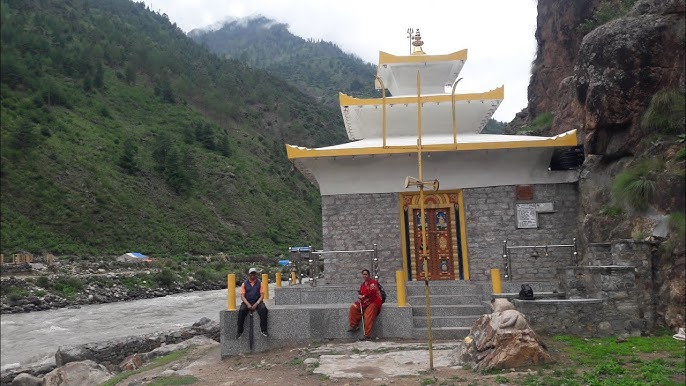
Kharpunath Mandir
Kharpunath Mandir is located at the sacred confluence of the Humla Karnali and Dojam (Changla) rivers near Simikot, the headquarters of Humla district. This temple is an important pilgrimage site of the Karnali Province for the worship of Lord Shiva.
History and Mythological Story
- Fall of Sati Devi's Body Part: According to mythological belief, while Lord Shiva was wandering carrying the dead body of Sati Devi, her armpit (kharpa) fell here. Since armpit is called 'kharpa' in the local language, its name became 'Kharpunath'.
- Gateway to Kailash Mansarovar: Kharpunath is considered the gateway to Kailash Mansarovar. According to the Skanda Purana, there is a popular belief that full merit is obtained only if one visits Kharpunath before going to Mansarovar.
- Relation with Pandavas: There is a legend that the five Pandavas came here and performed 'Koti Hom' during the Mahabharata period.
Architecture and Natural Structure
This temple is located inside a massive natural cave (odar).
- Natural Outlet: There is a natural hollow channel through which the smoke of incense burnt inside the temple comes out from the top of the hill, which is taken as a divine power.
- Natural Shapes: Shapes of a cow's udder, an elephant's trunk, a tortoise, a conch, and a serpent appear to be naturally carved on the stones of the temple complex.
Fair and Tradition
- Mahashivaratri Fair: A grand fair is held here every year on the occasion of Mahashivaratri. Devotees take a bath in the Karnali River and stay awake all night performing Bhajan-Kirtan.
- Hot Water Spring: Near the temple is a hot water spring named 'Bulbule Kedar', where bathing is considered religiously important.
Travel Guide: How to Reach
- By Air: The most common route is to fly from Kathmandu to Nepalgunj, and then take a small aircraft to Simikot Airport. This flight is highly weather-dependent.
- Local Access: From Simikot, the temple is about 5–10 km away. You can reach it via a local jeep (approx. 1 hour) or by trekking (approx. 2–3 hours) along the scenic Karnali valley.
Best Time to Visit
- Spring (March to May) & Autumn (September to November): These are the best seasons for clear skies and stable weather for flights and trekking.
- Summer (June to August): This is the peak time for pilgrims heading to Mount Kailash, though flights from Nepalgunj may face cancellations due to monsoon clouds.
- Avoid Winter: Heavy snowfall and extreme cold from December to February make the region difficult to access.
Visitor Information & Tips
- Flight Buffers: Always keep 2–3 "buffer days" in your itinerary as flights to and from Simikot are often delayed or cancelled due to mountain weather.
- Altitude Awareness: Simikot sits at approximately 2,900 meters. Move slowly and stay hydrated to avoid altitude sickness.
- Ritual Dip: Pilgrims often take a ritual bath in the Karnali River or the nearby hot water spring before visiting the temple.
- Kailash Gateway: Traditionally, pilgrims visit Kharpunath before proceeding on the Kailash Mansarovar Yatra for full spiritual merit.
- Permits: Humla is a restricted area for foreigners. Ensure you have the necessary Humla Restricted Area Permit if applicable.