Nuwakot Bhairavi
Location
Nuwakot Bhairavi
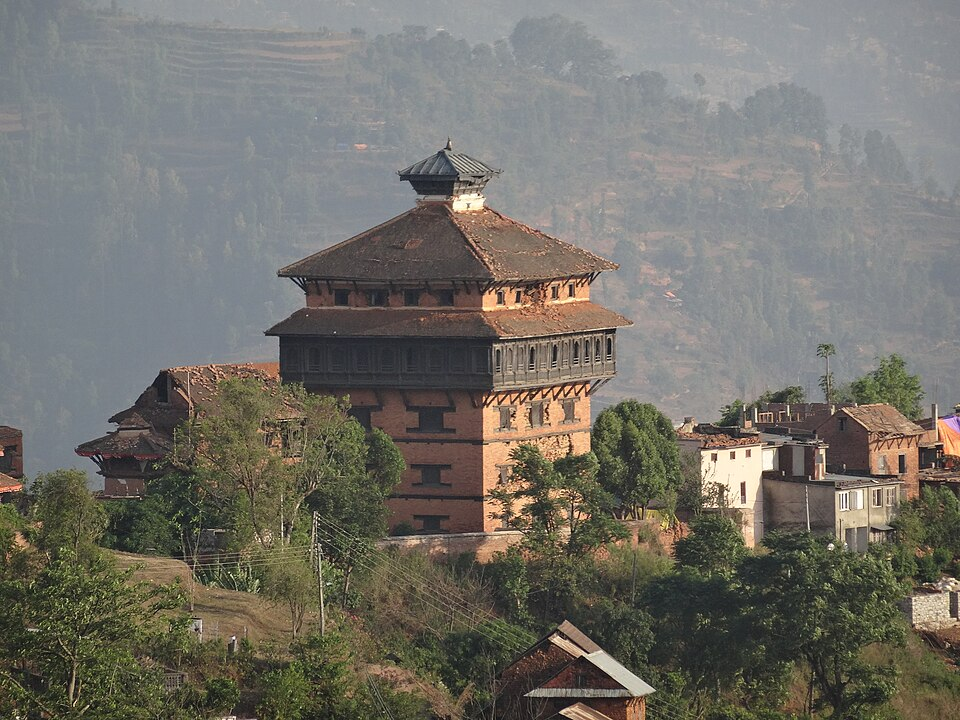
Bhairavi Temple is located on a hilltop near the historical seven-story palace of Nuwakot. This temple and its Sindure Jatra are very famous. History shows that Prithvi Narayan Shah worshipped here during the unification campaign. The architecture and religious traditions here reflect the historical glory of Nuwakot.
History
Nuwakot Bhairavi Temple is believed to have been established in the Malla period. According to historical records, its existence appears during the time of King Ripu Malla around 1498 BS. There is a history that Prithvi Narayan Shah worshipped this Goddess and took her blessings before conquering Nuwakot during the unification of Nepal. After achieving victory in the Nepal-China war in 1849 BS, Bahadur Shah offered a gold-plated copper roof to the temple. Weapons captured from the enemy in that war are still kept safely on the second floor of the temple.
Architecture
This temple is built in a grand two-story pagoda style. Teliya bricks, wood, and stone have been used in the construction of the temple, while extremely artistic idols of gods and goddesses are carved on its struts. The upper roof of the temple is gold-plated, in which a large amount of gold is said to have been used. The main door of the temple faces west and pairs of metal lions are guarding there.
Religious Importance and Sindure Jatra
Bhairavi is considered the fierce form of Goddess Durga and a symbol of power. There is a tradition of performing worship here using tantric methods.
- Sindure Jatra (Varshabandhan): This is the most famous festival here, which lasts from Chaitra Shukla Ashtami to Purnima. The main attractions of the festival are the 'Dhami' and 'Dhamini', in whom the power of the Goddess is believed to enter.
- Sacrifice Practice: There is a tradition of offering a large number of buffalo and goat sacrifices during the time of the Jatra. Taking the Dhami and Dhamini in a chariot to Devighat is an important part of this Jatra.