Nishan Bhagwati
Location
Nishan Bhagwati
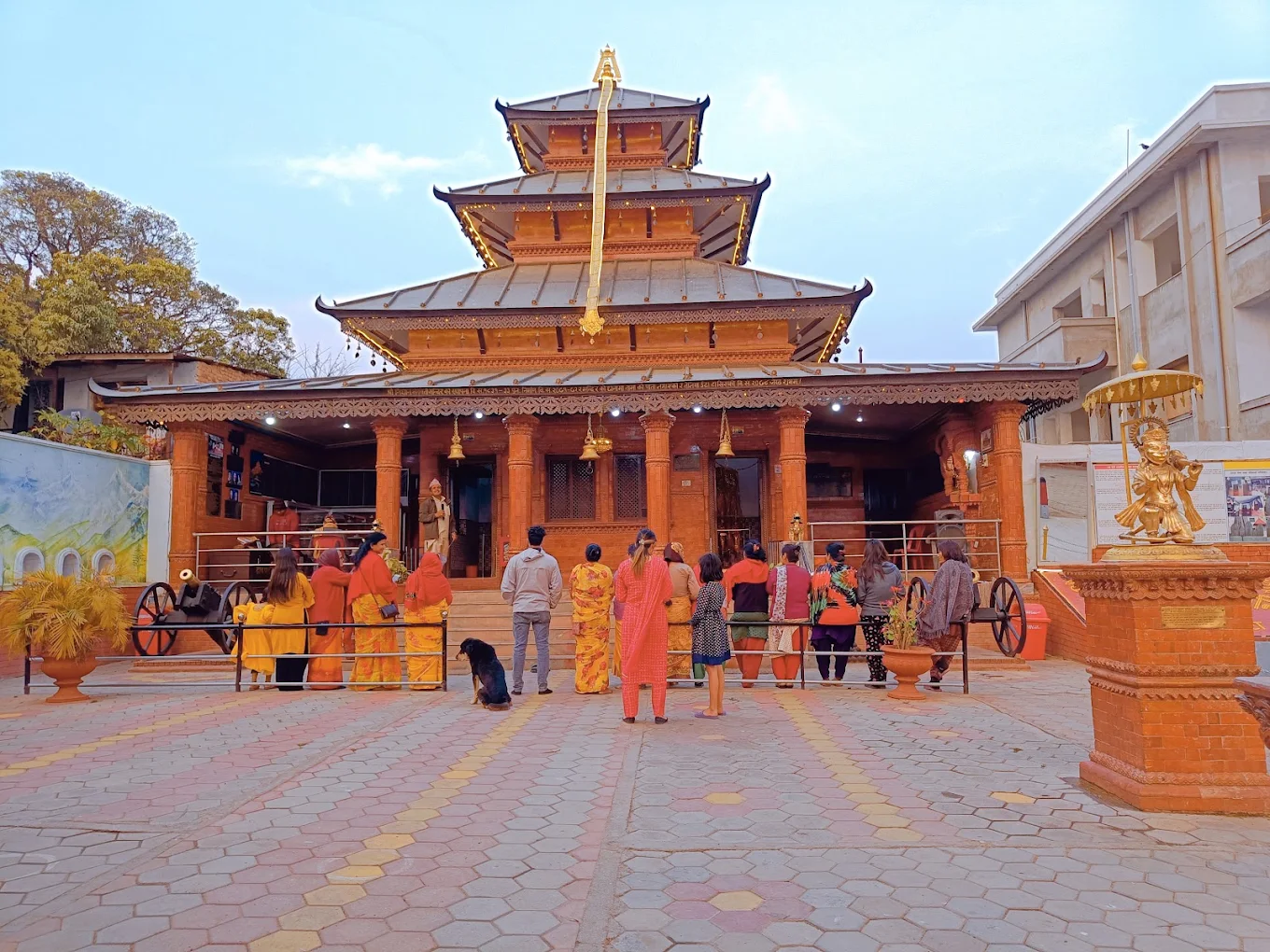
Nishan Bhagwati Temple, located in the headquarters of Dhankuta district, is an historical and religious Shakti Peetha. Believed to have been established by the then Gorkhali army, special pujas are performed in this temple during Bada Dashain and Chaite Dashain. There is a tradition of worshipping various weapons along with the Goddess in the temple. This temple stands as a center of identity and faith for Dhankuta.
History
The history of Dhankuta's Nishan Bhagwati Temple is deeply connected with military tradition and power worship. This temple was established around the late 18th century by the Gorkhali army as a form of protection and power for their 'Nishan' (military flag or victory symbol). In historical times, there was a tradition of specially worshiping this Shakti Peetha while going to war or after achieving victory. Even today, the Bhimdal Battalion of the Nepali Army in Dhankuta manages and protects it.
Architecture
The temple is built in traditional Nepali style. Copper has been used on its roof, while the use of historical Teliya bricks on the walls has given it an archaeological appearance. Historical cannons and a statue of Hanuman are placed in the temple courtyard. The massive eucalyptus and Bar-Pipal trees around the temple have made the environment here very peaceful and spiritual.
Religious Rules and Evening Arati
Worship and Arati are performed here every day in the morning and evening by army priests. The 'Evening Arati' held at 6:30 PM is a major attraction here, where there is a large presence of devotees. According to a unique and old tradition, women are prohibited from entering the inner sanctum of the temple, although they are allowed to have darshan from the outer complex and participate in the Arati.
Major Festivals
- Bada Dashain and Chaite Dashain: In these two festivals, worship is performed here with special royal honors and military salutes. The tradition of the Nepali Army offering sacrifices ritualistically during the time of Dashain is still alive.
- Sacrifice Practice: Sacrifices of goats, buffaloes, and ducks are offered here on days other than Sunday, Ekadashi, and Aunsi.
Travel Guide: How to Reach
- By Air: Fly from Kathmandu to Biratnagar Airport. From Biratnagar, it is a 2–3 hour drive (approx. 94 km) via the scenic Koshi Highway.
- By Road:
- From Biratnagar/Dharan: Frequent buses and micro-buses are available to Dhankuta Bazar.
- From Kathmandu: Direct day or night buses run from Kathmandu to Dhankuta (approx. 14–16 hours).
- Local Transport: The temple is centrally located in Dhankuta Bazar and is easily accessible on foot or by local rickshaw.
Best Time to Visit
- Autumn & Winter (October - March): The weather is cool and the skies are clear, offering beautiful views of the surrounding hills and distant Himalayan peaks.
- Evening Arati: Visiting at 6:30 PM is highly recommended to experience the daily spiritual ceremony performed by the army.
- Dashain Festivals: The peak religious seasons in October and March/April offer a chance to witness traditional military-religious rituals.
Visitor Information & Tips
- Entry Restrictions: According to traditional practice, women are generally not allowed to enter the inner sanctum of the temple. However, they can worship from the outer courtyard and participate in the evening Arati.
- Military Management: The temple is managed by the Nepal Army; please follow any instructions provided by the personnel on site.
- Photography: Usually allowed in the courtyard, but it is polite to ask for permission before filming or photographing during the Arati ceremony.
- Modest Attire: Wear clothing that covers shoulders and knees as a sign of respect.
- Nearby Excursions: Combine your visit with a trip to the nearby Bhedetar hill station or the Namaste Waterfall.