Tripurasundari (Baitadi)
Location
Tripurasundari (Tripurasundari - Baitadi)
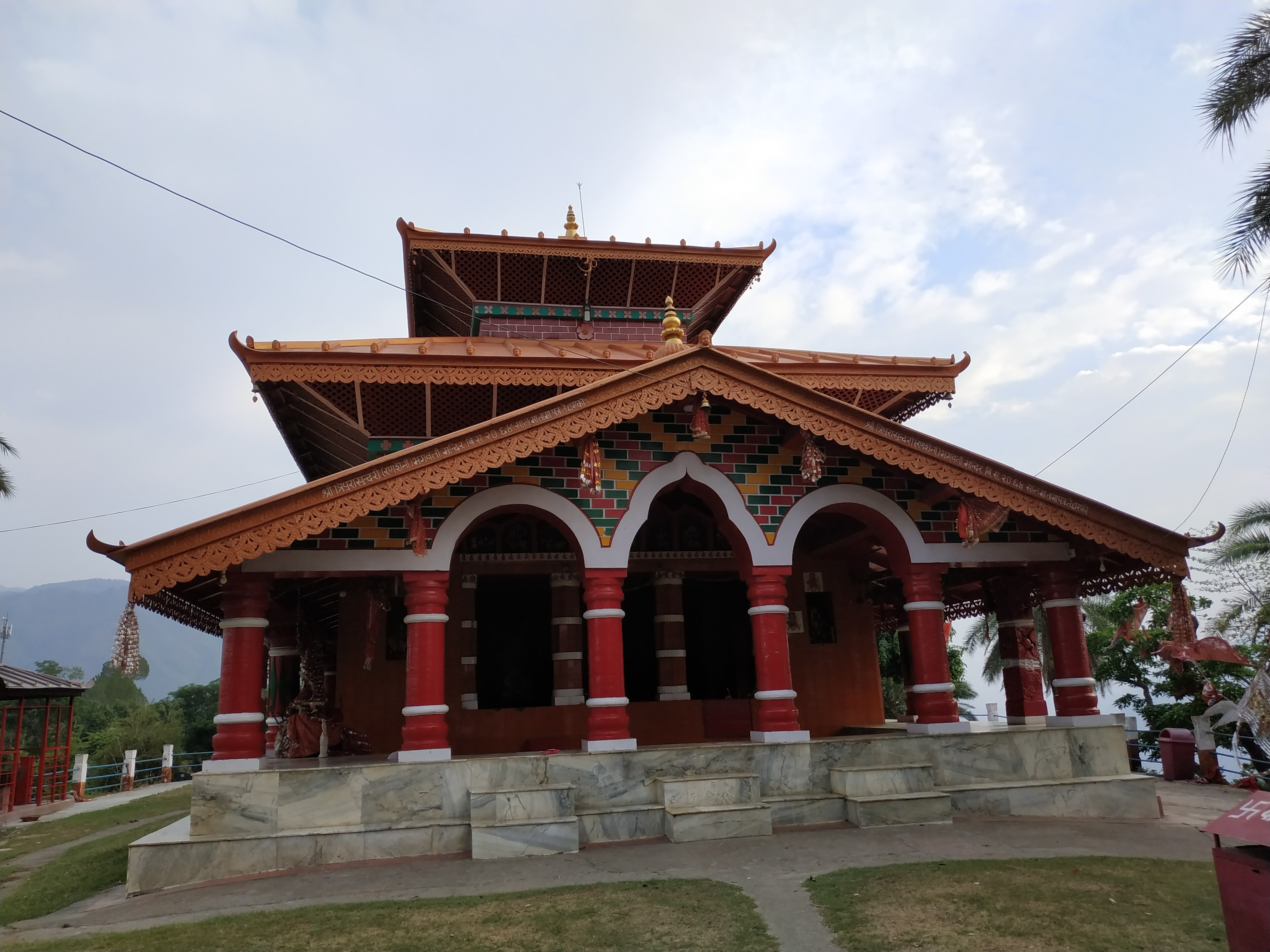
Tripurasundari Bhagwati Temple, located near Jhulaghat of Baitadi district, is an extremely important Shakti Peetha among the nine Bhagwatis of Sudurpashchim Nepal. It is also worshipped in the local language by the name 'Ransaini' Bhagwati.
History and Mythological Legend
This temple is considered a sacred site where the body part of Sati Devi fell. There is an interesting legend about the name 'Ransaini'. 'Ran' means war and 'Saini' means military. There is a popular belief that she was called Ransaini because she took the side of the gods in the Devasura Sangram and performed the role of military in the war. According to another story, it is believed that the five pathis of barley (rain) brought by Mauni Chhetri who came from Kumaon turned into stone and the Goddess originated there. This temple is also linked with the name of Lalita Tripurasundari, the youngest queen of King Ran Bahadur Shah of Nepal, and it had received royal protection during the Shah period.
Architecture
Tripurasundari Temple is built in the traditional Nepali pagoda style. The roof of the temple is covered with copper, which makes it look grand and attractive. Extremely beautiful wood carvings are carved on the struts (tundal), doors, and pillars of the temple. There is a massive wooden swing (jhula) in the temple complex, which is a special cultural attraction here. The worship of the temple is mainly done by Pande and Bhatta Brahmins.
Jatra and Tradition
The largest fair here is held on the days of Kartik Shukla Ashtami and Navami, which is called 'Ransaini Jaat'. There is a tradition of sacrificing hundreds of buffaloes and goats in this jatra, which is one of the largest sacrifice jatras in Sudurpashchim. Since it is near the Indian border Jhulaghat, a large number of Indian pilgrims from Pithoragarh and Almora regions come to visit after crossing the Mahakali River.
Tourist Importance
The Government of Nepal has included this temple in the list of top 100 tourist destinations of the country. Along with being a center of religious faith, this temple is also a symbol of the historical and cultural identity of Sudurpashchim.