Baglung Kalika
Location
Baglung Kalika
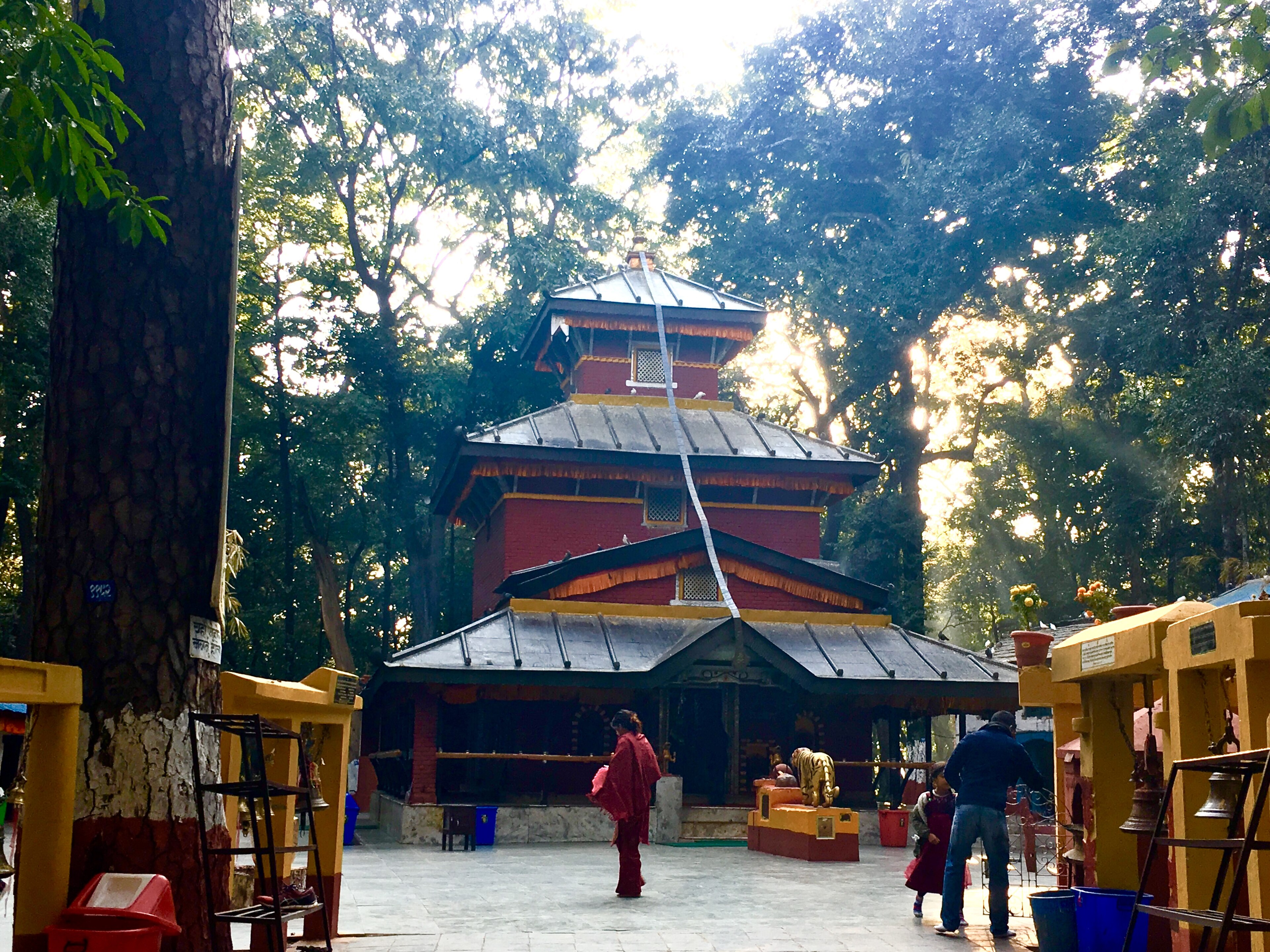
Kalika Bhagwati Temple located in Baglung district, also known as 'Baglung Kalika', is a very famous Shakti Peetha in Nepal. Located in the middle of a dense forest on the southern bank of the Kaligandaki River, this temple is an important center of faith for Hindus. Here, the Goddess is worshipped especially in the forms of Mahakali, Mahalakshmi, and Mahasaraswati.
History and Legend
The Baglung Kalika Temple was established in 1591 BS (1534 AD) by King Pratapi Narayan Singh Malla of Parbat. According to historical facts, King Pratapi Narayan was married to Princess Bishrawadevi, the daughter of King Manimukunda Sen of Palpa. While taking the idol of Goddess Kalika, brought by the princess as dowry from Palpa to Parbat, they rested in the current forest of Baglung. When the palanquin (doli) could not be lifted, the temple was established at that very spot.
According to legend, the descendants of Chakra Puwar (Khadka), who succeeded in lifting the Goddess's sword at that time, have been serving as priests of this temple to this day.
Architecture and Structure
This temple is built in the traditional Nepali pagoda style. The main temple, made of bricks and stones, is two and a half stories high. Its upper roof is covered with copper and there is an attractive golden pinnacle (gajur) at the top.
There are four entrance gates in all four directions of the temple. One strange aspect here is that its Eastern door is always kept closed. According to popular belief, it is never opened for fear that snakes would emerge or some great disaster would occur if this door is opened. Inside the temple complex, there are also small temples of Lord Shiva, Radha-Krishna, Lakshmi-Narayan, and Ganesh.
Worship Tradition and Sacrifice
Since it is a Shakti Peetha, there is an ancient tradition of sacrificing goats, buffaloes, and pigs to please the Goddess. However, according to religious rules, no kind of sacrifice is offered here in the months of Magh and Shrawan. Also, since 2016, pigeon sacrifice has been officially banned and now pigeons are released as symbols of peace.
Arati and puja are performed daily by Brahmin and Khadka priests. On Tuesdays and Saturdays of the week, there is a special crowd of devotees here.
Major Festivals
Chaite Dashain (Chaitra Shukla Ashtami) and Bada Dashain are the main festivals here. On the occasion of Chaite Dashain, a huge fair is held here, where thousands of devotees from various parts of Nepal as well as from India come for darshan and to offer 'Bhakal' (vows) after their wishes are fulfilled. Many people also perform auspicious activities like marriages and Bratabandha here.
Travel Guide: How to Reach
- By Air: Fly from Kathmandu to Pokhara (25 minutes), then drive to Baglung (approx. 3 hours, 72 km) via the Mid-Hill Highway.
- By Road: Direct buses are available from Kathmandu to Baglung (10–12 hours). From Pokhara, it is a scenic 3-hour drive by private vehicle or local bus.
- Local Access: The temple is about 2 km from Baglung Bazaar. Visitors can take a short, scenic hike through the lush Kalika Forest on a well-paved stone trail or use the motorable road that leads to the temple entrance.
Best Time to Visit
- Seasons: Spring (March to May) and Autumn (September to November) offer the most pleasant weather and clear views of the Himalayas.
- Festivals: Dashain (September/October) and Chaite Dashain (March/April) are the most vibrant times. Tuesdays and Saturdays are considered particularly auspicious days for darshan.
Visitor Information & Tips
- Timings: The temple is typically open for Darshan from 6:00 AM to 9:30 PM. Main rituals occur at 6:00 AM, 12:30 PM, and 7:30 PM.
- Rules: Photography is generally prohibited inside the main sanctuary. Modest dress is expected as per local religious customs.
- Note: While animal sacrifices occur, they are strictly prohibited during the holy months of Magh and Shrawan. Pigeon sacrifice has been replaced by the tradition of releasing pigeons.