Gupteshwor Cave (Parbat)
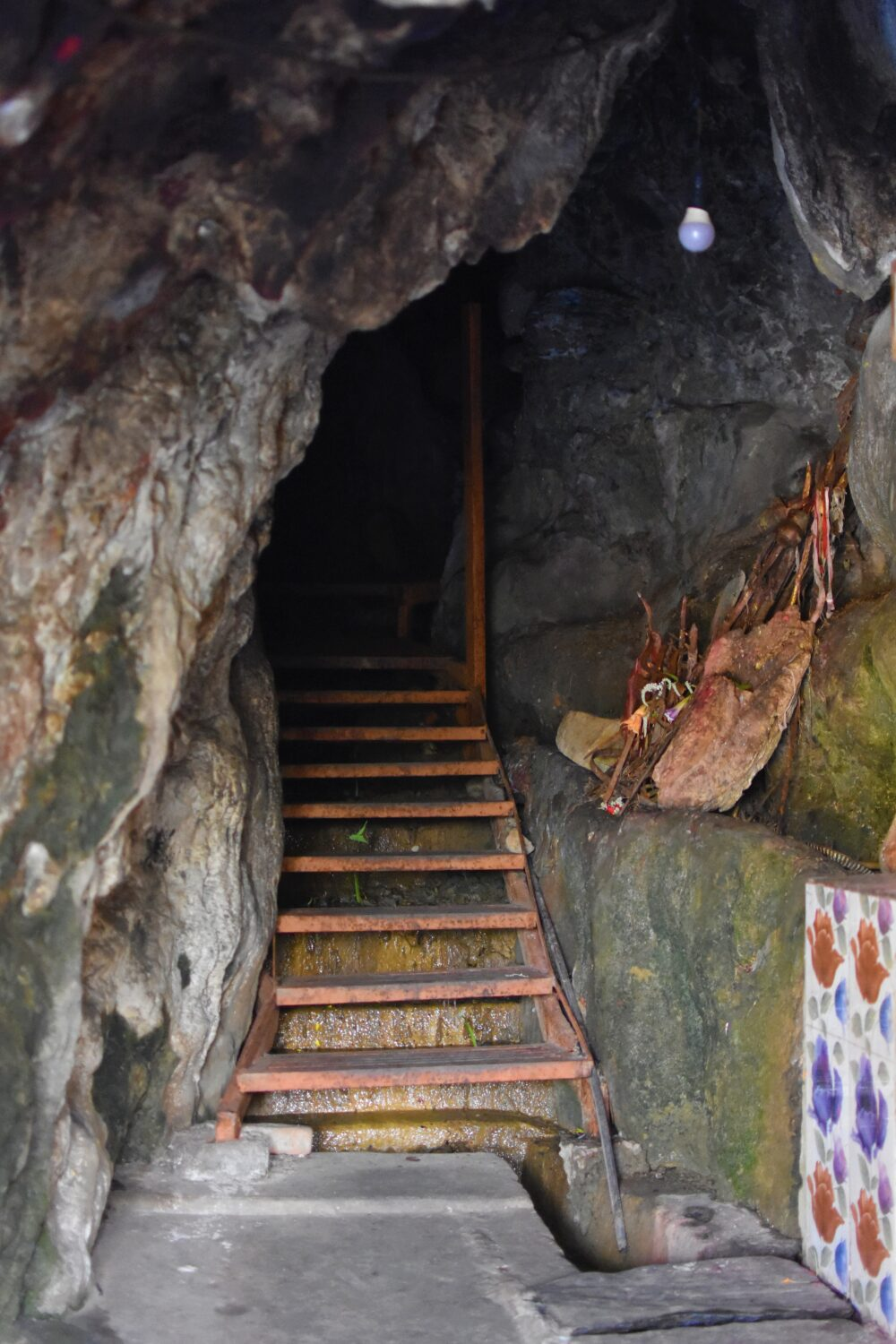
Parbat1000mPaved path from Kusma bazaar; steep stairs inside caveLord Shiva (Mahadev)
Location
Gupteshwor Cave (Parbat)
Gupteshwor Cave, located near Kushma bazaar, the headquarters of Parbat district, on the banks of the Kaligandaki River, is one of the longest and most important religious caves in Nepal. Inside the cave, various naturally formed shapes of gods and goddesses and the Shivalinga are worshipped.
History and Discovery
The modern history of this cave starts from 2003 BS (1940 AD):
- Discovery: While searching for a lost goat, local Ratna Bahadur Karki found the entrance of this cave inside a nettle bush.
- Bhalu Dulo: Before the cave was discovered, locals used to call it 'Bhalu Dulo' (Bear's Hole), because it was suspected that wild animals lived there.
- Royal Visit: In 2018 BS, King Mahendra visited this cave and established a Guthi for its protection and development.
Structure and Length
- Length: The length of this cave is believed to be more than 2,000 meters (2 km), making it one of the longest caves in Nepal.
- Natural Patterns: There are various artistic shapes made of limestone inside the cave. Naturally formed idols of Shivalinga, Ganesh, Parvati, and Nageshwar can be seen here.
- Geological Feature: The water of Dangdange stream seeps into the inner part of the cave. Various species of bats are also found here.
Religious Significance and Festivals
'Gupteshwor' literally means 'Hidden God'. Along with religious faith, the mysterious environment inside the cave mesmerizes tourists. Grand fairs are held here especially during festivals like Mahashivaratri, Chaite Dashain, and Balachaturdashi. Devotees believe that by worshiping here, wishes are fulfilled and relief from suffering is obtained.
Travel Guide: How to Reach
- From Pokhara: It is approximately 55 km from Pokhara. Local buses and private taxis are available from Baglung Bus Park, taking about 2-3 hours via the Mid-Hill Highway.
- From Baglung: A quick 30-45 minute drive (approx. 17 km).
- Local Access: The cave is highly accessible, located just a 15-minute walk from the main Kusma bazaar. A well-maintained paved path leads to the entrance.
Best Time to Visit
- Dry Season (October to May): Ideal for exploration as paths are less slippery and water levels are manageable.
- Festivals: Maha Shivaratri (February/March) and Mondays of Shrawan (July/August) are major pilgrimage times.
- Avoid Monsoon: June to September can make the cave humid and the interior steps very slippery.
Visitor Information & Tips
- Physical Access: While the path to the entrance is easy, the interior involves steep, narrow, and often wet stone stairs.
- Mobility: Not recommended for those with severe mobility issues.
- Safety: Carry a small flashlight for darker sections and wear shoes with good grip.
- Entry Fee: A nominal fee is usually charged for maintenance and local support.
- Nearby Attraction: Kusma is also famous for its high suspension bridges and bungee jumping.