Halesi Mahadev Temple
Location
Halesi Mahadev Temple
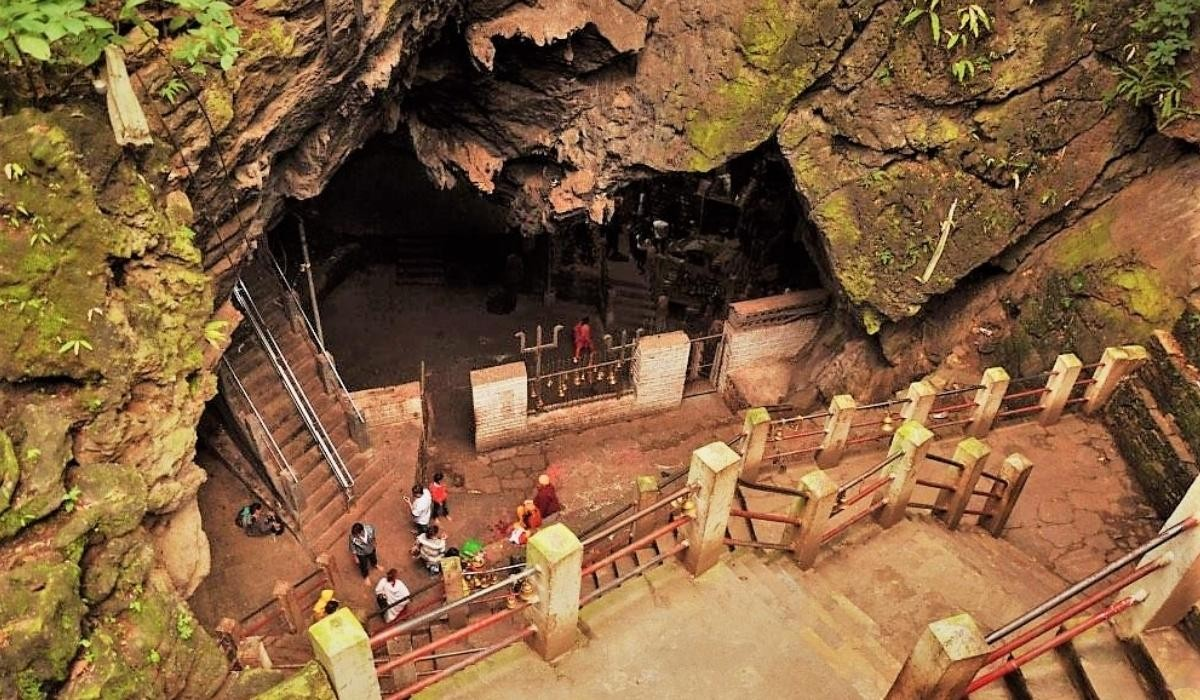
Halesi Mahadev, located in Khotang district, is known as the 'Pashupati of the East'. This is a common sacred pilgrimage site for Hindus, Buddhists, and Kirat devotees, making it an excellent example of religious tolerance in the world.
History and Legend
The history of Halesi Mahadev is thousands of years old and is connected with the faith of three different religions:
- Hinduism: According to mythology, Lord Shiva took refuge in this cave to escape from the demon Bhasmasura. Later, it is believed that Lord Vishnu took the form of Mohini and brought an end to Bhasmasura.
- Buddhism (Maratika Cave): Buddhist followers call it 'Maratika Cave'. It is believed that Guru Padmasambhava (Guru Rinpoche) attained immortality (Long Life) by meditating here.
- Kirat Religion: The Kirat Rai community worships it as a sacred site related to their ancient ancestor 'Raechhakule' (Hetchhakuppa) and as their ancestral land.
Types of Caves and Structure
The main attraction of Halesi Mahadev is its natural caves, which are considered symbols of the three eyes of Lord Shiva:
- Halesi Mahadev Cave: This is the main cave where the natural Shivalinga is located. Its entrance is in the shape of a half-moon.
- Basaha Cave: This is near the main cave. It is said that when Shiva went to hide, he placed his vehicle 'Basaha' (Nandi) here as a gatekeeper.
- Bhairab Cave: This is another important cave where it is a popular belief that the remains of Bhasmasura are located.
Five Symbolic Doors (Dwars): There are various narrow holes inside the cave, passing through which is believed to provide special merit:
- Dharma Dwar and Papa Dwar: Doors to distinguish between the righteous and sinners.
- Janma Dwar: Belief in getting relief from the suffering of rebirth.
- Swarga Dwar: Symbol of attaining salvation (moksha).
- Ghopte Dwar: Symbol of courage.
Special Festivals and Tradition
Various festivals are celebrated here throughout the year. Large fairs are held here especially during Mahashivaratri, Ram Navami, Balachaturdashi, Teej, and the Udhouli and Ubhouli festivals of the Kirat community. Devotees from Nepal and India come here to visit with the belief that they will get children and their wishes will be fulfilled.
Travel Guide: How to Reach
- By Road: The temple is approximately 215-230 km east of Kathmandu. The most common route is via the B.P. Highway (Sindhuli-Bardibas).
- Route: Kathmandu – Dhulikhel – Nepalthok – Khurkot – Ghurmi – Halesi.
- Duration: 7-9 hours by private jeep, Hiace, or bus.
- By Air: Helicopter tours are available from Kathmandu, taking about 2 hours for a round trip.
Best Time to Visit
- Peak Seasons: September to November and March to May offer pleasant weather and clear skies.
- Winter: December to February is clear but chilly (down to -2°C).
- Festivals: Maha Shivaratri, Ram Navami, and Bala Chaturdashi are the most vibrant but crowded times.
Visitor Information & Tips
- Unique Experience: Explore the natural cave complex, including the main Halesi Mahadev cave (67 feet below the surface).
- Dress Code: Modest clothing is required. Shoes must be removed before entering sacred cave areas.
- Accessibility: The descent into the caves involves stairs, which may be challenging for those with severe mobility issues.
- Accommodation: Numerous hotels and lodges are available near the temple area, ranging from basic to moderate comfort.
- Kirat Culture: Witness the unique Udhouli and Ubhouli festivals if visiting during the appropriate season.