Kamal Pokhari (Rukumkot)
Location
Kamal Pokhari and Rukumkot Bhagwati (Kamal Pokhari & Rukumkot Bhagwati)
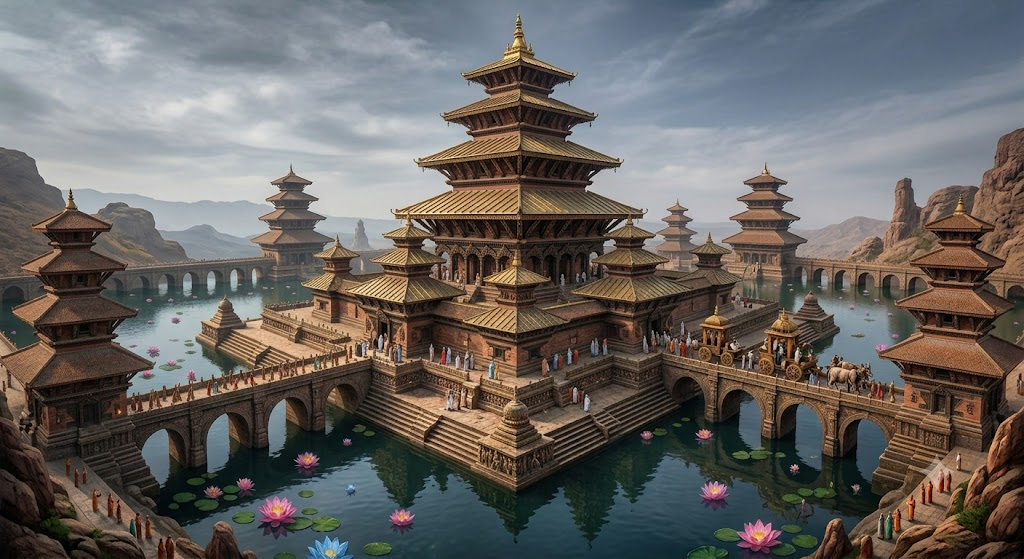
Kamal Pokhari (Rukmini Lake) located in Rukumkot, the headquarters of Rukum East district, and the Bhagwati (Rukmini Devi) temple on its bank are very important from religious and tourist perspectives. Rukumkot is also known as the city of 'fifty-two ponds and fifty-three hilltops', of which this lake is the most prominent.
History and Naming
The name of Rukumkot is believed to be derived from the name of Rukmini Devi located here, from which the name of 'Rukum' district was later derived. The shape of this lake is said to be similar to the map of Nepal. Since lotuses considered the best in Nepal bloom here, it is also called 'Kamaldah' or 'Kamal Pokhari'.
Architecture
The historical Shivalaya Temple located on the northern bank of Rukmini Lake is special from the perspective of architecture. This temple was built by Purna Kumari Devi, the wife of a Rana Prime Minister, which is an important example of Rana-era architecture in Mid-Western Nepal. Temples of Bhagwati, Baraha, and Brahmaji are also present in the temple complex.
Jatra and Festivals
- Maghe Sankranti: Devotees come from far and wide with the religious belief that bathing in Kamal Pokhari on this day washes away sins and cures skin diseases.
- Bada Dashain and Chaite Dashain: There is a tradition of special worship and sacrifice in the Bhagwati temple during both these Dashains.
- Bhume Puja: In this area where the Magar community is in majority, 'Bhume Puja' is celebrated with great pomp in the month of Ashar.
Features and Culture
- Importance of Lotus: There is a local tradition of using lotus roots as pickles and the flower seeds as medicine for diseases like jaundice.
- Shaman (Jhankri) Tradition: The ancient Shaman tradition and culture are still alive in the Rukumkot area, which can be specially seen during the time of Jatras.
Travel Guide: How to Reach
- By Road: Direct buses and private jeeps are available from Kathmandu to Rukumkot (approx. 14–16 hours) via the Mid-Hill Highway. Alternatively, travel from Dang (Tulsipur) or Salyan (5–8 hours).
- By Air: The nearest airports are in Nepalgunj or Dang (Tarigaun), followed by a road journey. Chaurjahari Airport in Rukum West is another option, though it requires several hours of road travel to reach Rukumkot.
Best Time to Visit
- Autumn (October to November): Peak season with clear weather and spectacular views of Sisne Himal.
- Spring (March to May): Pleasant temperatures with hills blooming with wildflowers and rhododendrons.
- Monsoon (June to August): The best time to see the lotus (Kamal) flowers in full bloom on the lake.
Visitor Information & Tips
- Land of 52 Lakes: While Kamal Pokhari is the most famous, explore the "52 lakes and 53 hills" of the region by asking locals for directions to hidden ponds and viewpoints.
- Activities: Boating is often available on the lake. Early morning is the best time for photography when the water reflects the sky and hills perfectly.
- Nearby Sites: Visit the historic Shibalaya Temple on the northern bank and hike to the ancient Deurali Cave (about 1 hour walk).
- Preparation: Bring a light jacket as evenings can be cool even in summer. Wear comfortable shoes for exploring the surrounding hills.
- Accommodation: Local guesthouses and homestays in Rukumkot provide basic but clean facilities and authentic Magar food.