Muktinath Temple
Location
Muktinath Temple
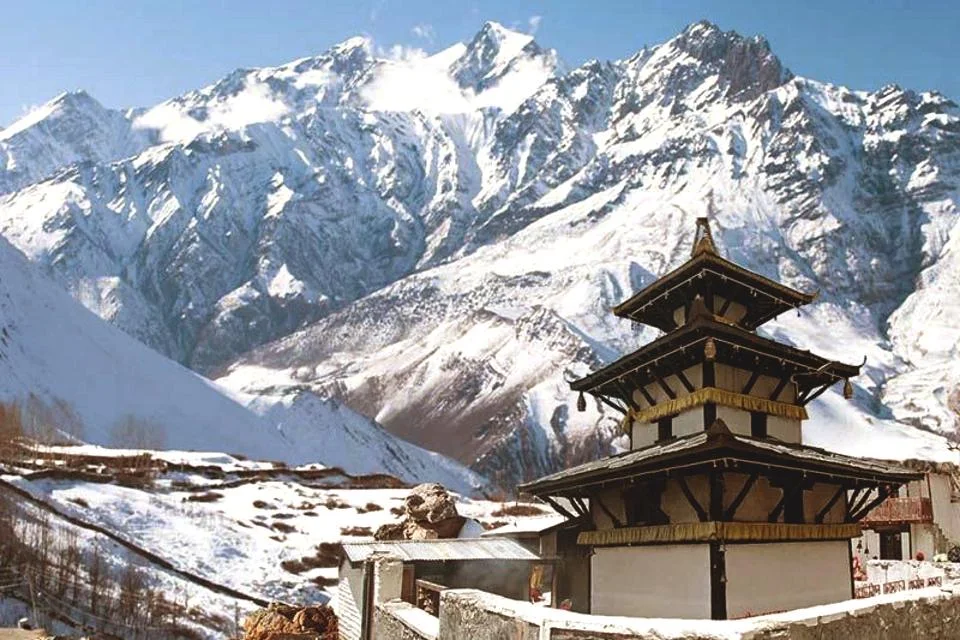
Muktinath is a common and extremely sacred pilgrimage site for both Hindu and Buddhist devotees. It is located at an altitude of 3,710 meters at the foot of Thorong La pass in Mustang district.
Religious and Historical Belief
Hindus call it 'Mukti Kshetra' (the place of attaining salvation). According to mythology, Lord Vishnu had taken the form of a 'Shaligram' (stone) in the Kaligandaki River due to the curse of Brinda, the wife of Jalandhara. It is called 'Muktinath' because he got salvation (mukti) after coming here from that curse. Buddhists call it 'Chumig Gyatsa' (Hundred Waters) and worship it as Avalokiteshvara. There is a religious history that the great 12th-century Tibetan Buddhist master Padmasambhava (Guru Rinpoche) meditated here on his way to Tibet.
This temple is also a Shakti Peetha for Hindus, where Sati Devi's head is believed to have fallen. This is the only place outside India among the 108 'Divya Desams' of the Vaishnava sect.
Architecture and Main Attraction
- Temple Style: Muktinath Temple is built in the traditional Nepali pagoda style. The current structure was built in 1815 AD through the initiative of Queen Subarna Prabha of Nepal.
- 108 Spouts (Mukti Dhara): Behind the temple, there are 108 water spouts in the shape of a cow's mouth (Gomukh) in a semi-circle. It is a popular belief that bathing in these spouts washes away sins of many births.
- Jwala Mai Temple: Near the main temple is the Jwala Mai temple, where an 'eternal flame' (Akhanda Jyoti) emerging from natural gas can be seen burning continuously on water. It is considered a sacred place where all five elements—earth, water, fire, air, and sky—meet.
- Ponds: There are two sacred ponds in front of the temple, where devotees take a bath.
Travel Guide: How to Reach
Reaching Muktinath involves traveling through Pokhara and Jomsom:
- By Air:
- Take a flight from Kathmandu to Pokhara (25 mins), followed by a flight from Pokhara to Jomsom (20 mins). Jomsom flights only operate in the early morning.
- From Jomsom, take a local jeep to Muktinath (approx. 1.5 hours).
- By Road:
- A long and scenic journey by bus or jeep from Kathmandu or Pokhara via the Beni-Jomsom highway. It takes about 10–12 hours from Pokhara.
- By Trekking:
- Part of the famous Annapurna Circuit. Most people fly to Jomsom and trek to Muktinath via Kagbeni (approx. 6–7 hours of walking).
- By Helicopter:
- Direct helicopter flights are available from Kathmandu or Pokhara to the Ranipauwa helipad (near the temple).
Best Time to Visit
- Seasons: Spring (March–May) and Autumn (Sept–Nov) are the ideal windows with clear skies and stable weather.
- Winters (Dec–Feb): Possible but very cold with heavy snow; some trails and lodges may be closed.
- Monsoon (June–Aug): Not recommended due to flight cancellations and potential landslides on the road.
Visitor Information & Safety
- Altitude Sickness: Since Muktinath is at 3,710m, altitude sickness (AMS) is a real risk. Drink plenty of water, climb slowly, and consider staying a night in Jomsom (2,743m) to acclimate.
- Permits: Foreigners require the ACAP (Annapurna Conservation Area Project) permit and TIMS (Trekkers' Information Management System) card.
- Clothing: Heavy woolens and windproof jackets are essential year-round as it gets very cold and windy.
- Rituals: It is customary to bathe in the 108 spouts and two ponds before entering the temple for worship.